
Introduction
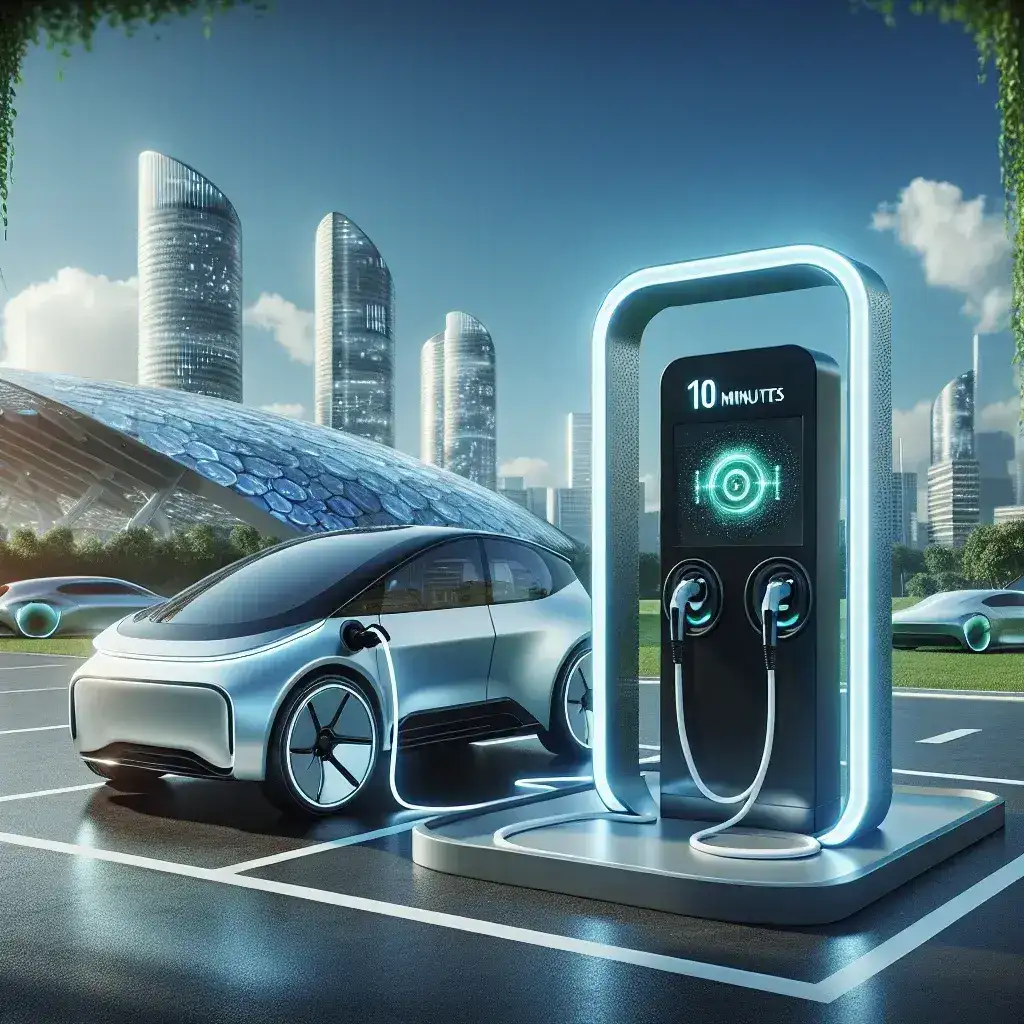
The electric vehicle (EV) industry is undergoing a seismic shift, driven by rapid advancements in battery technology. Among these innovations, achieving a 10-minute charging milestone stands out as a game-changer for consumers and manufacturers alike. This article delves into the implications of this breakthrough, examining its historical context, future potential, and the broader impact on the automotive landscape.
The Evolution of Electric Vehicle Batteries
EV batteries have come a long way since the introduction of electric vehicles in the late 19th century. Early models relied on lead-acid batteries, which had limited range and efficiency. With the advent of lithium-ion technology in the 1990s, electric vehicles began to gain traction due to improved energy density and lifespan. However, the challenge of long charging times persisted.
From Hours to Minutes: A Historical Perspective
Historically, charging an electric vehicle could take several hours, a significant barrier to mainstream adoption. As battery technology advanced, manufacturers developed faster charging solutions, such as DC fast chargers, which reduced charging times to around 30 minutes. While this was a significant improvement, the dream of near-instantaneous charging remained elusive.
10-Minute Charging: The Breakthrough
Recent developments have resulted in battery technologies that promise to charge an EV in just 10 minutes. This breakthrough has been made possible by a combination of innovative materials and advanced engineering techniques. For instance, researchers have developed solid-state batteries that utilize solid electrolytes instead of liquid ones, allowing for faster ion movement and increased safety.
The Role of Nanotechnology
Nanotechnology plays a crucial role in this rapid charging capability. By engineering materials at the molecular level, scientists can enhance the conductivity and resilience of battery components. For example, the use of silicon nanowires in anodes has shown the potential to increase energy density significantly, reducing charging time without compromising battery life.
Benefits of 10-Minute Charging
Achieving a 10-minute charging milestone offers numerous benefits:
- Convenience: The ability to charge an electric vehicle during a quick stop will ease range anxiety for drivers.
- Increased Adoption: Faster charging times will likely lead to a surge in EV sales, making electric vehicles a more viable option for consumers.
- Environmental Impact: As more people transition to EVs, the reduction in greenhouse gas emissions will contribute to combating climate change.
Challenges Ahead
Despite the promising advancements in battery technology, challenges remain:
- Infrastructure Development: To support widespread adoption of fast-charging technology, significant investments in charging infrastructure are needed.
- Cost of Technology: While advancements are being made, the cost of producing these advanced batteries can be high, potentially affecting consumer pricing.
- Battery Life and Durability: Ensuring that these fast-charging batteries have a long lifespan and can withstand repeated high-speed charging is critical.
Future Predictions
Looking ahead, the implications of achieving a 10-minute charging milestone are profound. Experts predict that as technology continues to evolve, we may see:
- Integration with Renewable Energy: Fast-charging technology could be paired with renewable energy sources, enhancing the sustainability of the electric vehicle ecosystem.
- Smart Charging Solutions: The development of smart charging stations that optimize charging times based on grid demand and energy prices will further enhance the user experience.
- Global Standardization: As various manufacturers adopt similar technologies, we may witness a move towards global charging standards, making cross-manufacturer compatibility more seamless.
Real-World Examples
Several companies are at the forefront of this battery innovation:
- Tesla: Known for its cutting-edge technology, Tesla is exploring new battery chemistries that promise faster charging times.
- QuantumScape: This startup focuses on solid-state battery technology, aiming to revolutionize the electric vehicle market with its rapid charging capabilities.
- Lucid Motors: With its luxury electric sedans, Lucid is pushing the envelope on battery technology, emphasizing not just luxury but also efficiency.
Conclusion
The achievement of a 10-minute charging milestone in electric vehicle battery technology marks a transformative moment in the automotive industry. As research continues to advance and infrastructure evolves, consumers can look forward to a future where electric vehicles are not just a sustainable choice but also a convenient one. The journey towards rapid charging EVs is paving the way for a cleaner, greener, and more accessible automotive future.